
Roof & Attic Ventilation Dublin
Improve airflow in your roof space to help reduce condensation, damp issues and moisture build-up.
Practical inspection & advice
Ventilation options based on your roof type
Clear quote if work is required
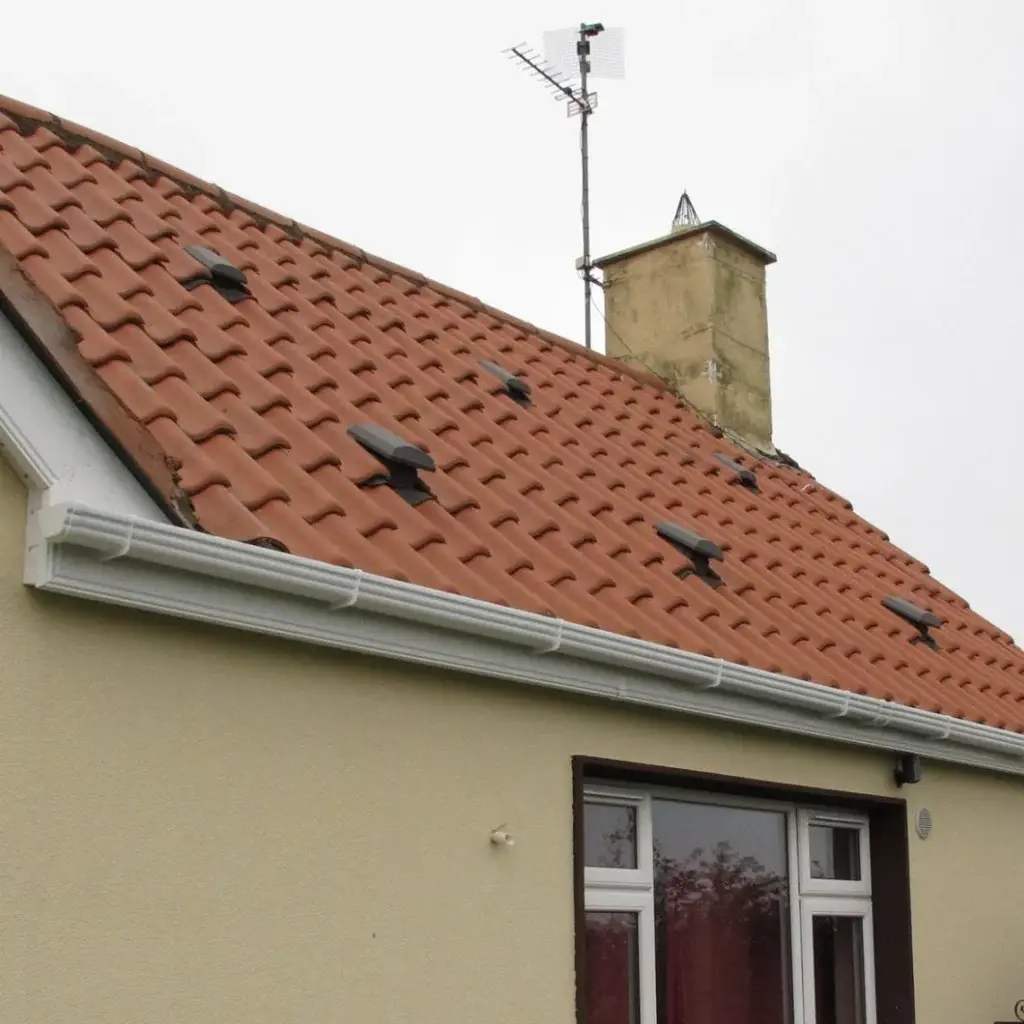
Signs of Poor Attic Ventilation

EXCELLENTTrustindex verifies that the original source of the review is Google. I had a great experience with Marcin for my roof repair. He was professional, reliable and easy to deal with from start to finish. He inspected the roof properly, explained the issue clearly and carried out the repair work neatly and efficiently. The service felt honest and trustworthy, and the area was left clean afterwards. I would happily recommend Marcin to anyone looking for roof repairs, leak repairs, roof maintenance or general roofing work.Posted on GoogleTrustindex verifies that the original source of the review is Google. Dreadful experience, work completed to very poor standard. Workers not supplied with adequate materials.Posted on GoogleTrustindex verifies that the original source of the review is Google. Excellent experience working with MJ roofing. Professional, approachable and always quick to respond. Highly recommend.Posted on GoogleTrustindex verifies that the original source of the review is Google. We were lucky enough to reach Martin to help with a roof assessment of a home we're hoping to purchase. He was extremely fast and communicative, arranging the inspection the same week. His team arrived on time, produced the report and quotation later that day, and were available for a call to discuss the details. Incredible service, couldn't recommend them more!Posted on GoogleTrustindex verifies that the original source of the review is Google. We had a roof leakage issue and MJ Roofing and More were absolutely fantastic from start to finish. Mercin and the whole team were professional, responsive, and very reassuring during what could have been a stressful situation. They quickly identified the root cause of the leak, explained everything clearly, and fixed it efficiently with great attention to detail. The work was done to a very high standard and the area was left clean and tidy afterwards. We’re extremely happy with the service and would highly recommend MJ Roofing and More to anyone needing roofing repairs or maintenance. Thank you again!Posted on GoogleTrustindex verifies that the original source of the review is Google. They are professional roofers. Excellent service, work, tidiness. Extra, unplanned work done without any delays. I can only recommend them.Posted on GoogleTrustindex verifies that the original source of the review is Google. This was our second time to use MJ Roofing and once again we were very happy with their work. We had to have our extension roof replaced due to bad workmanship by a builder. We knew from previous experience that MJ Roofing could be trusted and we now have a warm, dry and well insulated roof. Marcin and his crew, in particular, Leszek and Jarek, were a pleasure to deal with. We would highly recommend MJ Roofing.Posted on GoogleTrustindex verifies that the original source of the review is Google. Great quality work by Marcin and his team. They were extremely professional and the work was completed on time and to a very high standard. Update April 2025 - we’ve just had the team out again to do another job and once again their work was excellent. I would highly recommend them to anyone.Posted on GoogleTrustindex verifies that the original source of the review is Google. Initially I had a badly leaking porch to deal with. Water was pouring down the inside of the walls. Marcin was there quickly to inspect and once work was started it was done in no time. Photos were taken of the roof to show what was wrong and what would be done. I wouldn’t hesitate to work with this business again. Update: I got Marcin and his team back to do some more work in 2025 and again I can’t recommend them highly enough. Efficient and professional and very helpful.Posted on GoogleTrustindex verifies that the original source of the review is Google. Martin and team were extremely easy to deal with. They arrive on time are very knowledgeable and keep you informed as they work. Very professional in every aspect of the job. I especially liked how Martin would update if any extra work was required before proceeding so you know exactly where you stand at all times. I’d highly recommend Martin and his team.Verified by TrustindexTrustindex verified badge is the Universal Symbol of Trust. Only the greatest companies can get the verified badge who has a review score above 4.5, based on customer reviews over the past 12 months. Read more
Why Attic Ventilation Matters
Understanding the role of ventilation in preventing condensation and protecting your roof structure.
When warm, moist air from your home rises into the attic space, it meets the colder surfaces of the roof deck and felt. If the attic isn’t properly ventilated, this warm air can’t escape — instead, the moisture condenses on cold surfaces, leading to dampness, dripping, mould growth and potential timber damage over time.
Good attic ventilation allows air to flow through the roof space, carrying moisture out before it can condense. But ventilation on its own isn’t always the complete answer — insulation levels, vapour control layers, and roof leaks can all play a role. That’s why a proper inspection is important: to identify whether the issue is ventilation-related, or if other factors are involved.
In Dublin’s climate, condensation issues are particularly common during colder months when the temperature difference between your warm home and the cold roof is greatest. Improving ventilation — where appropriate — can help manage moisture levels and reduce the risk of long-term damage to your roof structure.
How Ventilation Works
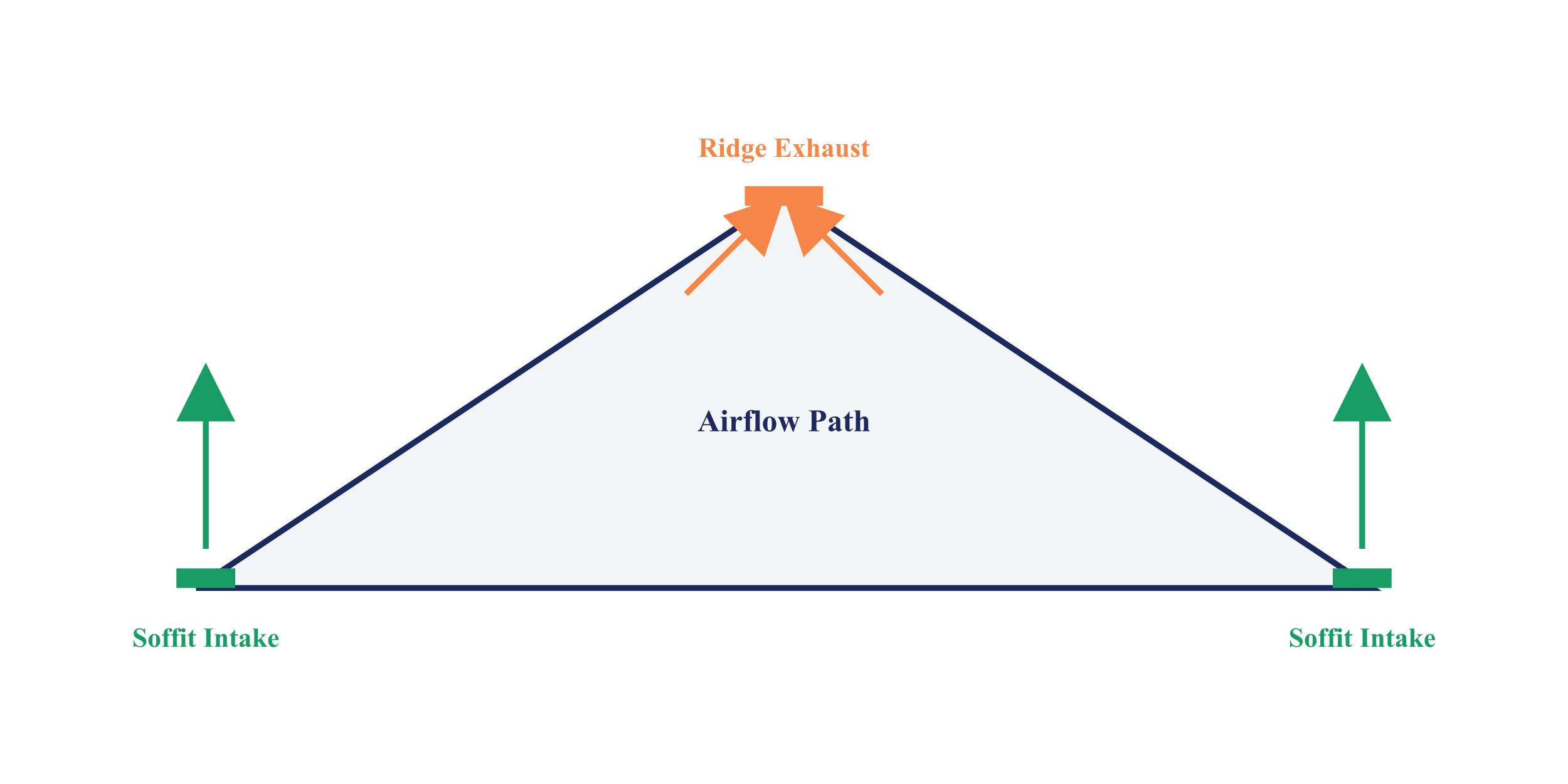
Fresh air enters at soffit level (green), flows through the attic, and exits at the ridge (orange), carrying moisture away.
What We Check During an Attic Inspection
A proper inspection helps identify whether ventilation is the issue — or if something else is causing the damp.
Address / Eircode
Provide the full address and Eircode where available so we can review the property and plan the visit.
Soffit / Fascia Area Airflow
Assess whether air can enter at eaves level, or if soffits are sealed or blocked by insulation.
Ridge Ventilation Considerations
Evaluate if ridge ventilation is feasible and appropriate for your roof type and layout.
Insulation Blocking Vents
Check if loft insulation has been pushed up against eaves, preventing airflow into the roof space.
Roof Leaks vs Condensation
Differentiate between water ingress from a roof leak and moisture from condensation — this is critical.
General Roof Condition
Look for signs of leaks, damaged felt, or other issues that may be contributing to dampness.
Ventilation Options (General Overview)
Solutions depend on your roof type, existing setup, and what’s causing the issue. Here’s what we may consider.

Soffit Ventilation Improvements
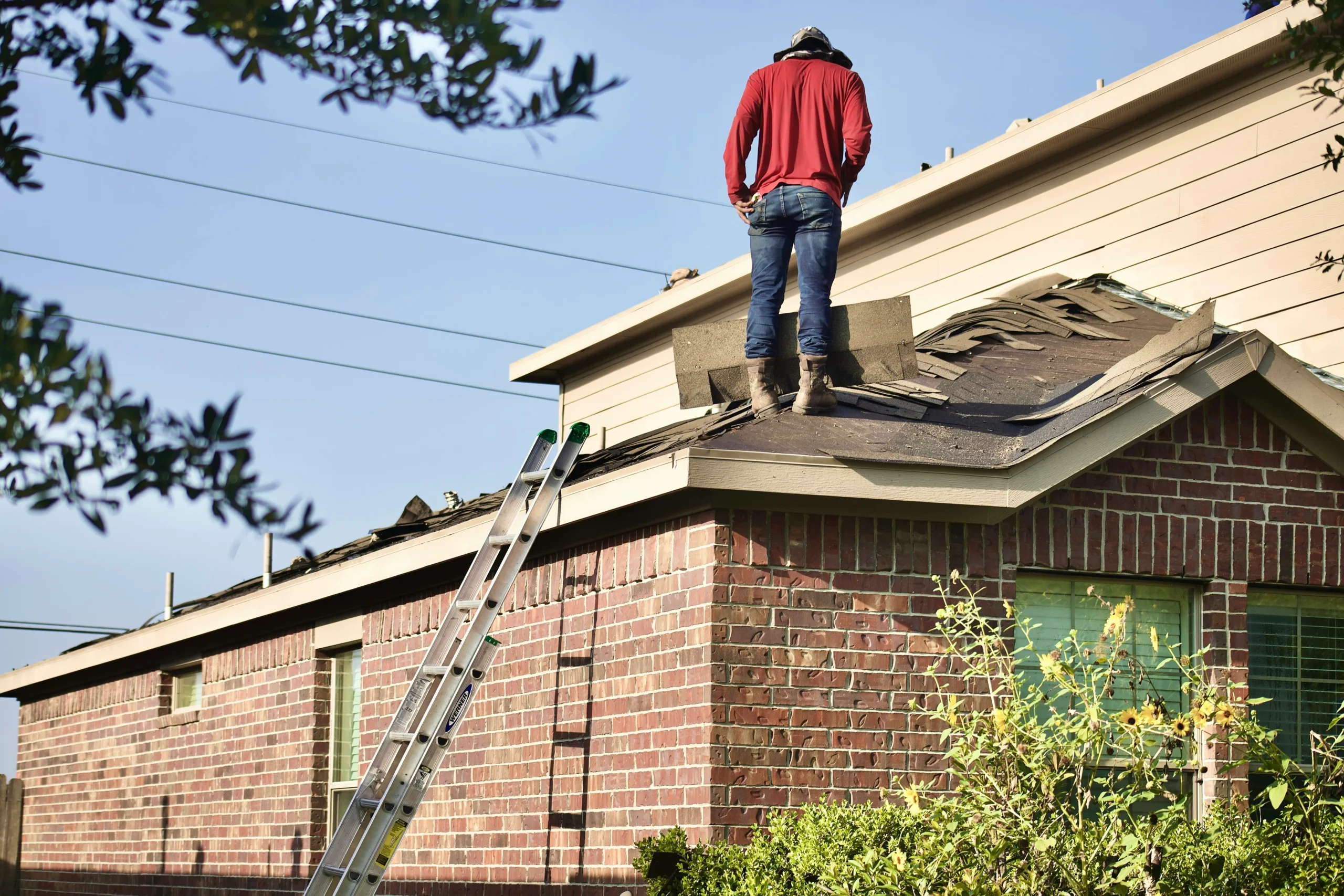
Tile / Slate Vents

Ridge Ventilation Considerations

Advice on Insulation Blocking
Not sure if it's a leak or condensation?
Book an inspection in Dublin and we’ll help identify the real cause.
Common Scenarios We See
Condensation After Winter Mornings
The Issue
Droplets forming on felt, nails or rafters in cold weather, disappearing during the day.
What We'd Check
Mould Spots in Attic
The Issue
What We'd Check
Damp Insulation
The Issue
What We'd Check
Misdiagnosed Leaks
The Issue
What We'd Check
We’d differentiate between condensation and actual water ingress. Condensation often appears in patterns (e.g., nail heads, cold spots) whereas leaks usually trace back to specific points. See our Roof Leak Repair service if a genuine leak is found.
Recent Ventilation & Condensation Checks
Soffit Vent Installation – North Dublin
Condensation Assessment – South Dublin
Tile Vents Added – Dublin City
Service Areas
Areas We Cover
Not listed? Call us — we likely cover your area.
Related Services